Arabica coffee | A medicinal plant in the Akhdar encyclopedia
The seeds possess properties that stimulate the central nervous system due to the presence of caffeine, act as a diuretic due to the presence of theobromine, and stimulate digestion due to the presence of chlorogenic acid. They also inhibit tumor formation. Roasted coffee, in particular, is used in…
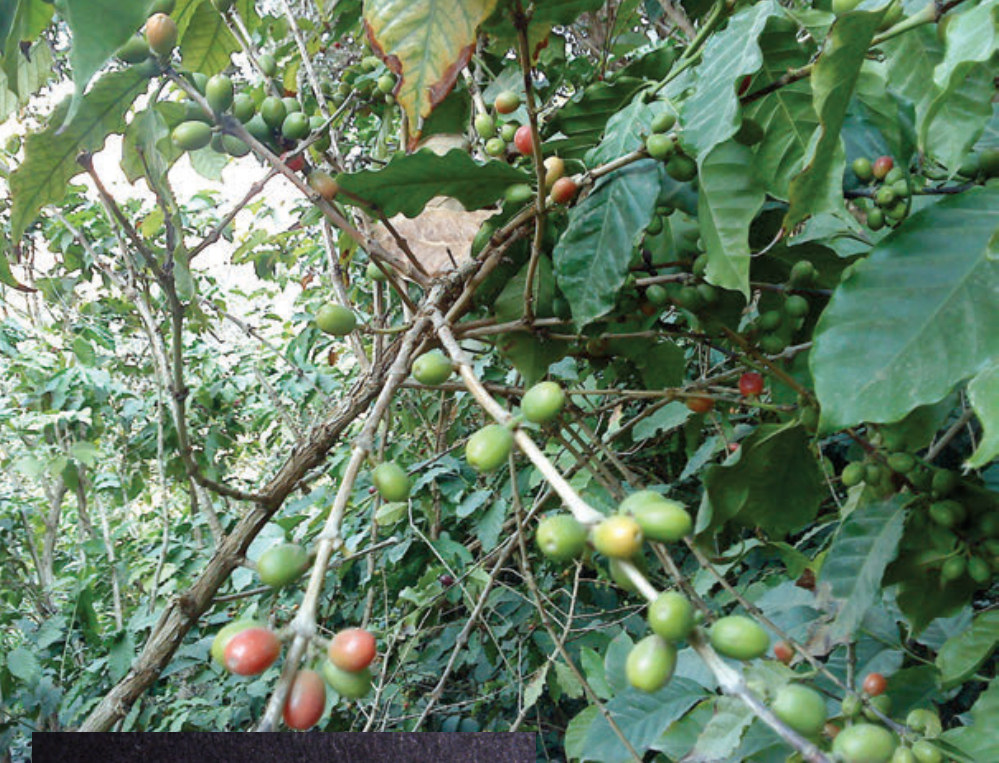
Plant name
Arabic coffee
Latin name
Coffea arabica L.
Common names
Arabic coffee
foreign names
Engl. Arabian coffee, Fr. Cafier
The group
Foya
Habitat and Geographic Distribution
The plant is widespread in the hot, tropical, and equatorial regions of the world, at altitudes of 1000-1800 meters above sea level.
Southwestern Arabia, southwestern Ethiopia, and southeastern Sudan are considered the original home of coffee.
It also grows wild in Ethiopia and the Congo, from where its cultivation spread to the hot, humid regions of Asia, Africa, and Latin America. It is currently grown in more than 80 countries.
Botanical description
M.
A shrub or small tree, reaching a height of 1 cm.
The leaves are slightly leathery, spoon-shaped, ovate to oblong-lanceolate, and up to 1 cm long.
The upper leaves are 1 mm long.
The flower heads are clustered on 1 mm long, forming a bouquet of beautiful, fragrant, white flowers (resembling jasmine).
The mature fruits are 18 mm long; the young ones appear green, turning yellow and then dark red when fully ripe.
Used part
Seeds. Latin name: Rosa canina L
chemical components
The fruit's outer layers contain anthocyanins and tannins.
The most important components are: purine alkaloids (the seeds contain purine alkaloids), vitamin B1 (ascorbic acid), vitamin C, and theobromine, ascorbic acid (vitamin B1), caffeine (an antioxidant alkaloid), and chlorogenic acid.
(Note: The addition of chlorogenic acid is mentioned in the original text, but it seems unrelated to the preceding content.)
Properties and medical uses
The seeds possess properties that stimulate the central nervous system due to the presence of caffeine, act as a diuretic due to the presence of theobromine, and stimulate digestion due to the presence of chlorogenic acid.
They also inhibit tumor formation.
Roasted coffee, in particular, is used in cases of fatigue, mental and physical exhaustion, and inflammation of the mouth and throat.
Studies have shown that caffeine helps cold sufferers feel more energetic, while in older individuals, caffeine helps reduce the drop in blood pressure after meals.
Coffee is traditionally used for topical treatment of oral and pharyngeal mucous membranes, wound healing, as a pain reliever, and to treat anemia, edema, and hepatitis.
Unroasted seeds are used to treat migraines, fever, and diarrhea.
Concentrated coffee is used to treat opium and alcohol intoxication.
Caffeine is an ingredient in some pain relievers, stimulants, allergy medications, cold medicines, and weight-loss supplements.
Its seed oil is widely used in cosmetics, and as an anticancer, anti-inflammatory, antibacterial, antidiabetic, and anti-atherosclerotic agent. It also possesses anti-aging properties.
pharmaceutical forms
Coffee is available as whole dried beans, ground coffee, frozen coffee crystals, or spray-dried coffee crystals (pre-ground coffee).
It is sold under various brand names, including Eight o'clock, Folgres, Bean Company, and Maxwell House.
Side effects and precautions
Coffee consumption may cause problems for some individuals, such as pregnant and breastfeeding women, people with high cholesterol and high blood pressure, and those with infectious diseases like ulcers.
Therefore, doctors advise these individuals to reduce their coffee intake.
Side effects may include: rapid heartbeat, headache (possibly due to high blood pressure), increased urination, insomnia, mild delirium and agitation, tremors and muscle spasms, nausea, and anxiety.
Coffee can also cause gastroesophageal reflux disease (GERD), a condition in which stomach contents flow back into the esophagus, glaucoma, and an increased risk of GERD (gastroesophageal reflux disease).
It can also cause seizures in patients receiving carotenoids for nerve disorders and peptic ulcer disease, and has a poor prognosis for cardiovascular disease.
Caution should be exercised when abruptly stopping coffee consumption after chronic use, as caffeine withdrawal can cause headaches and worsen heart rhythm disorders, leading to persistently high blood pressure. The lethal dose is 10 grams of caffeine.
the environment
The Arabica coffee tree is a heat-loving species, preferring to be grown in the shade of certain trees north of the equator.
It is sensitive to frost in countries located between the equator and the sulfurous latitudes, necessitating protection from it in frost-prone areas.
Furthermore, production decreases significantly in areas with low annual rainfall.
Arabica coffee thrives in fertile soils rich in organic matter, with low rainfall, and possesses good physical properties.
It is well-suited to deep, heavy clay soils, while light, sandy soils are unsuitable.
Agriculture and productivity
Coffee seeds are grown in special nurseries to produce seedlings ready for planting in permanent fields after approximately 21-51 months. One kilogram contains
History and Heritage
The name arabica comes from the Arabic word for coffee, Coffea.
It is said that the name "Ban" originates from the Abyssinian word for coffee.
The scientific name for the genus is Arabica.
The story of coffee's discovery tells of a shepherd who, by chance, noticed his sheep grazing in an area where coffee plants were unusually active and abundant.
He ate the plants and drank a decoction of the seeds, thus marking the first discovery of the plant.
Arabica coffee was the first type of coffee cultivated in southwestern Saudi Arabia for over a year.
It remains a source of some of the finest coffees to this day.
It is one of the symbols of Arab hospitality that is 1000.
Almost no house is without it at the present time: the first cup of coffee is called “al-Hayf”, and the host drinks it to assure the guest that the coffee is not poisoned.
As for the second cup, it is called “al-Dayf”, and it is the first cup that is offered to the guest and it is the duty of hospitality.
In the past, the guest in the desert used to drink it except in the case of enmity, or if the guest had a request that was difficult to obtain from the host, then he would not drink it except after a promise from the host to fulfill the request.
Medical note
This information is for educational purposes only and does not constitute medical advice.
Poisonous or potent plants should only be used under the supervision of a qualified physician or pharmacist.
Related images


