Spiny caper | Medicinal plant in the Akhdar Encyclopedia
It is used for its analgesic and antioxidant properties. It is also antifungal, anti-inflammatory, and anti-hepatotoxic, and is effective against hepatitis B, hepatitis, and leishmaniasis. Traditionally, it is used as a diuretic, vermifuge, digestive aid, antitumor, and treatment for arterioscleros…
Plant name
spiny caper
Latin name
Capparis spinosa L
Common names
Spiny caper, caper, caper, for class
foreign names
Eng. Common caper bush, Fr. Caprier
The group
Cruciferae (Brassicaceae)
Habitat and Geographic Distribution
It is Mediterranean in origin and extends into the Irano-Turanian region.
It is widespread in Arab countries, including those of the Arabian Peninsula, and is also found in North Africa and cultivated in some southern European countries.
Botanical description
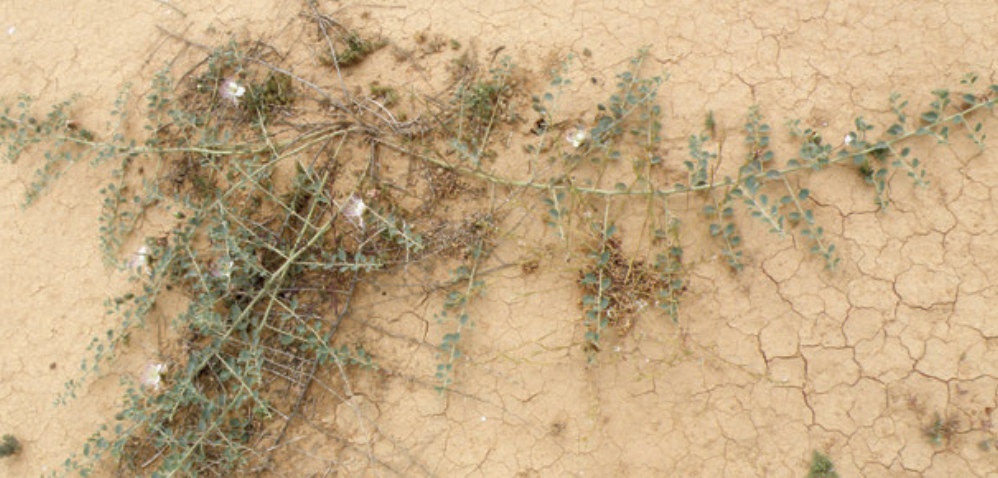
A shrub with prostrate or ascending branches, smooth, glabrous, and crimson or bluish-green in color.
The leaves are simple, long-petioled, rounded or ovate, entire-margined, glabrous.
The stipules are modified into strong, hooked spines of varying lengths.
The flowers are solitary, axillary, long-stamened, petiolate, ovate, glabrous, of nearly equal length, with a boat-shaped background.
The corolla is bright white.
The calyx is obovate-round, approximately equal in size, with the posterior two having a thick rim, fused at the base to form a nectar-producing projection.
The stamens are numerous, with filaments that are pink or bluish, usually more squamous than the glabrous female.
The female is small, pear-shaped, with six carpels, the ovary is superior, solitary, and contains numerous ovules.
The fruit is a berry, 8-2 inches long.
The valves open to reveal black seeds and red pulp. The flowers bloom from May to August.
Used part
Roots, fruits (Kama plant)
chemical components
Terpenes, alkaloids such as stachydrine, glucocapparin, kaempferol, quercetin, isorhamnetin, rhamnetin, and thomnocitirin, sterols, terpenes, and polysaccharides.
The plant is rich in phenolic compounds and flavonoids.
Total phenols range from 24.21 to 62.27 mg equivalents of gallic acid (GAE)/g dry weight (DW) in methanolic extracts of caper leaves taken from various locations in India.
Aqueous extracts of caper leaves (from Tunisia) recorded a total phenol content of 33.55 mg/g GAE/g DW, while aqueous extracts of the buds contained 29.67 mg/g GAE/g DW, and aqueous extracts of the leaves recorded 27.427 mg/g GAE/g DW.
Aqueous extracts of the roots and fruits (from Iran) contained 15.4 and 17.2 mg/g GAE/g DW, respectively, lower than the ethyl acetate root extracts, which contained 37.2 mg GAE/g DW, and the ethanolic extract.
Properties and medical uses
It is used for its analgesic and antioxidant properties, and is antifungal, anti-inflammatory, hepatotoxic, and anti-hepatitis B, as well as antidiabetic and anti-leishmanial.
It is used traditionally as a diuretic, vermifuge, digestive aid, antitumor, and treatment for arteriosclerosis.
Topically, it is used to treat gout and scurvy, relieve leg pain, treat eye diseases, alleviate headaches, and treat coughs, excessive tearing, and runny nose.
A wide range of medicinal benefits are attributed to caper plant extracts, such as antihypertensive, anti-obesity, anti-allergic, antihistamine, anti-inflammatory, and antibiotic properties.
In India, the root bark is used as a tonic, stimulant, diuretic, vermifuge, emmenagogue, and analgesic. Plant extracts are a common ingredient in herbal hepatoprotective medicines.
Side effects and precautions
It may cause skin and digestive allergy symptoms.
Other uses
The caper plant has been approved for food use by the U.S.
Food and Drug Administration (FDA).
Its fruits are eaten pickled for their nutritional and spicy properties, and other parts of the plant are used in the pharmaceutical and cosmetic industries.
the environment
Capers grow on slopes, gravelly soils, steppes, roadsides, near old walls and hedges, around residential areas, and in abandoned places.
They tolerate both high and low temperatures and are considered drought-tolerant.
They grow naturally in nutrient-poor soils, aided by their deep root system, and thrive in deep, well-drained loamy soils. They tolerate salinity and [unclear - possibly "all" or "water"].
Agriculture and productivity
It is propagated by seeds or stem cuttings.
Soft seeds germinate quickly but in small quantities, while dry seeds enter a dormant stage.
During this time, they require special treatment lasting three months, including thawing and soaking in water.
Seeds are sown at a depth of 10-15 meters after hormonal treatment.
The plant begins to produce flower buds in the fourth year after planting.
Stem cuttings are taken at the end of winter and the beginning of spring.
The method of propagation by cuttings is considered rapid and allows for obtaining flower buds in the first year after transplanting.
The plant flowers from the first year after planting using the cutting method.
Flower buds are collected manually in the early morning, and the collection process is repeated once per kilogram of flower buds. The plant is 3-3 years old.
History and Heritage
The genus name is believed to derive from the Arabic word "kabr," while "spinosa" means "thorny." It is said that the name "caper" originated from its growth among graves, while the names "asf" and "lasf" are of Aramaic origin and were common in the Levant.
A manuscript by Abu Ja'far ibn Abi Khalid al-Mutatabbib mentions the caper's properties as purifying excess moisture in the stomach and opening blockages in the liver.
King al-Muzaffar stated that if its salted fruit is washed and soaked until the salt's harshness is removed, it is beneficial in opening and purifying blockages in the liver and spleen.
It is one of the medicinal plants widely used in traditional medicine throughout successive civilizations to treat various disorders and diseases. In ancient Greece, it was used as a carminative.
Medical note
This information is for educational purposes only and does not constitute medical advice.
Poisonous or potent plants should only be used under the supervision of a qualified physician or pharmacist.
Related images


