Vicaria | A medicinal plant in the Akhdar encyclopedia
The plant possesses astringent and laxative properties, as well as antibacterial and antifungal effects, and is traditionally used to treat hemorrhoids and internal bleeding. It is also known for its anti-inflammatory and hemostatic properties. Only the young leaves are edible and are used in salad…
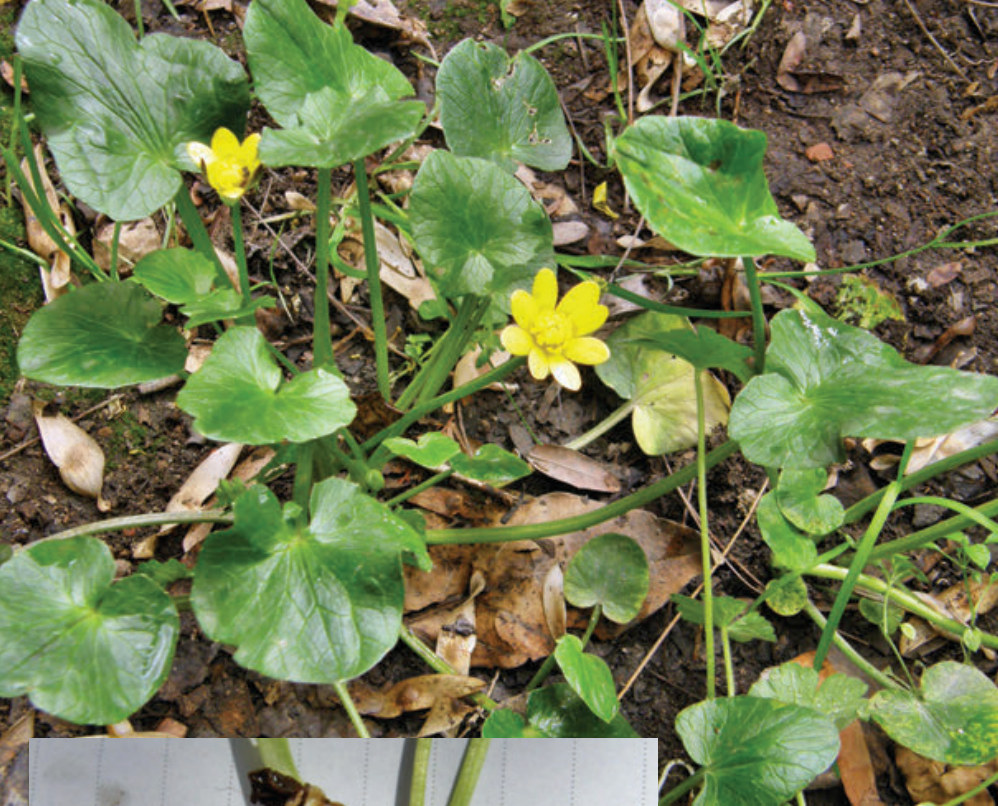
Plant name
Vicaria
Latin name
Ranunculus ficaria L
Common names
Vicaria, buttercup, hemorrhoid herb
foreign names
Eng. Lesser celandine, Fr. Lesser celandine
The group
The buttercup
Habitat and Geographic Distribution
Mediterranean and European Siberian
Botanical description
20 - A perennial herb, glabrous, 1 cm tall.
Roots are dioecious, some slender, long, and fibrous, others long but hairy and tuberous.
Stem is herbaceous.
Leaves are 1 cm tall, with very long petioles.
6 - Cardiolar, complete to ascending, ovate-sac-like but slightly glabrous, with a broad, membranous base.
15 - Hairy.
Flowers are oblong.
12 - cm.
Septates are trifoliate, concave, yellow-white.
4 - Flowers are golden-yellow, 1 mm wide, acinus spherical, bearing nectar scales at the base.
Stamens are numerous.
The fruiting head is spherical, about 1 mm in diameter, hairy, and terminates in a very short beak. 2.5 - 2. Flowering from January to April
Used part
fresh herb
chemical components
Protoanemonin and protoanemonin are catechins, including anemonin.
Ficarine includes: ficarine saponins (triterpenoid saponins). Vitamin C (ascorbic acid, tannins, and chellidonin alkaloid)
Properties and medical uses
The plant possesses astringent and laxative properties, as well as antibacterial and antifungal effects.
It is traditionally used to treat hemorrhoids and internal bleeding.
It is also known for its anti-inflammatory and hemostatic properties.
Only the young leaves are edible and are used in salads.
The leaves, roots, or their decoction have anti-inflammatory properties for varicose veins, hemorrhoids, and skin disorders.
Pharmaceutical preparations include the herbal plant, especially liquid and ointment forms.
Precautions: Irritates mucous membranes and skin, causing skin allergies.
Internal use is not recommended, and it should not be used during pregnancy or breastfeeding. Intensive use may cause hepatotoxicity.
pharmaceutical forms
Herbal plant, especially liquid, and ointment
Side effects and precautions
Irritating to mucous membranes and skin, it causes skin allergies.
Its use is not recommended internally, and it should not be used during pregnancy or breastfeeding. Excessive consumption of its components may cause liver toxicity.
the environment
It grows well in forests and their edges, preferring moist, neutral to alkaline loamy soils.
Agriculture and productivity
The plant does not produce many seeds, and its seeds do not germinate immediately after ripening.
However, it does produce tubers along the stem, each of which can develop into a new plant.
It is considered a weed in some parts of Europe and America.
Tuber formation increases at the base of the stem when it grows in the shade.
Flowers rarely bloom in cloudy weather.
It inhibits the growth of some surrounding plants and forms pure colonies.
Ziziphus jujuba Mill.
Jujuba mediterranea Bubani., Mansana arborea J.F. Gmel., Z. vulgaris Lam., Z. sativa Gaertn., Rhamnus ziziphus L.
History and Heritage
The scientific name of the genus is the ancient Latin name for these plants, from rana meaning "frog" and ranunculus meaning "little frog," because several species in this genus grow in damp, wet places frequented by frogs.
The English name Celandine comes from the Latin word chelidonia, meaning "swallow," referring to the plant's flowering with the arrival of swallows in spring and its withering when the swallows leave.
Medical note
This information is for educational purposes only and does not constitute medical advice.
Poisonous or potent plants should only be used under the supervision of a qualified physician or pharmacist.
Related images


