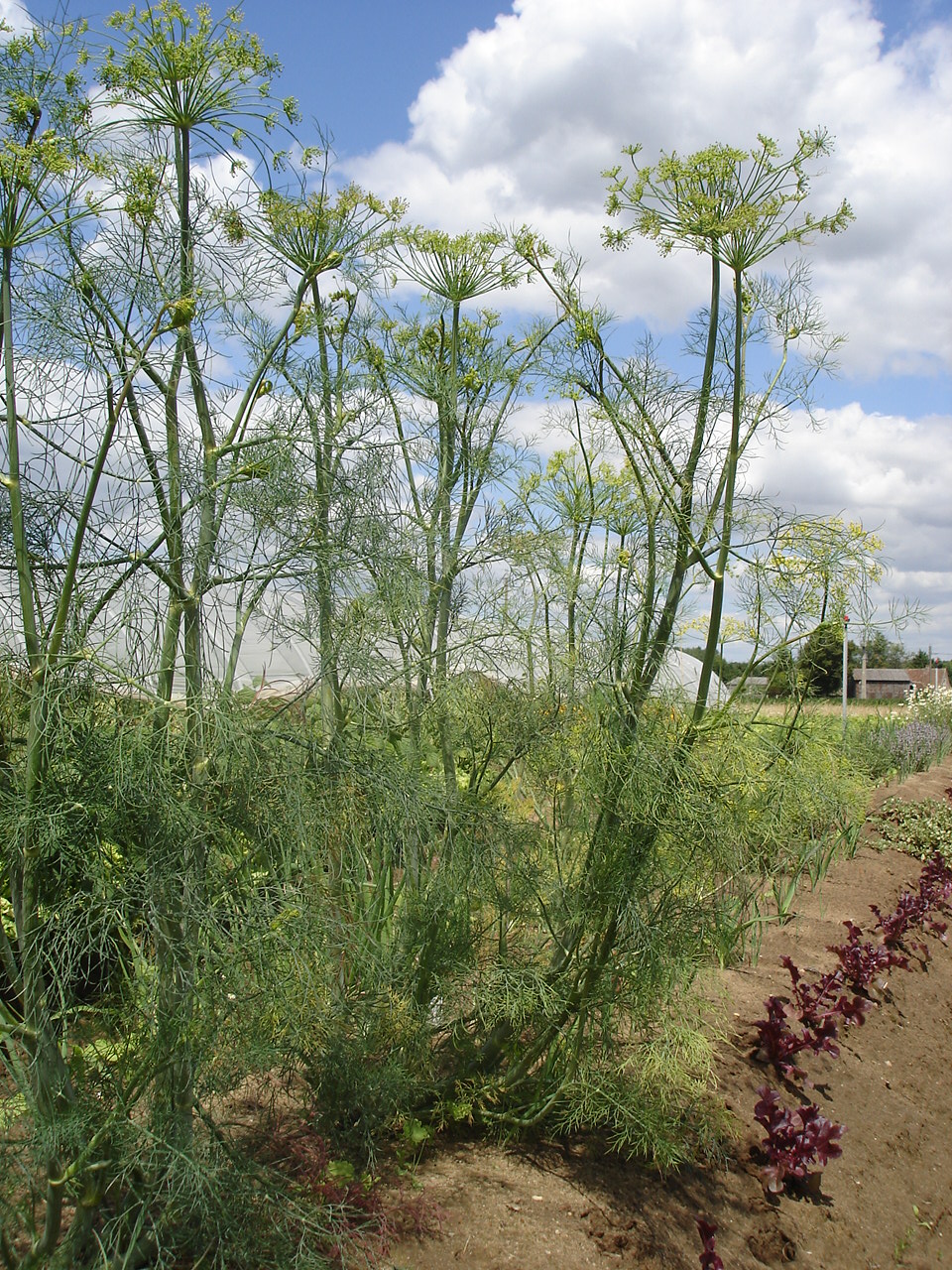
Dill | A medicinal plant in the Akhdar encyclopedia
Dill is used to treat digestive disorders, as a carminative (relieves gas), and as a flavoring agent; it is an ingredient in gripe's water. A decoction of the fruit is traditionally used to treat respiratory problems, insomnia, muscle spasms, digestive ailments (improving digestion), stimulating mi…
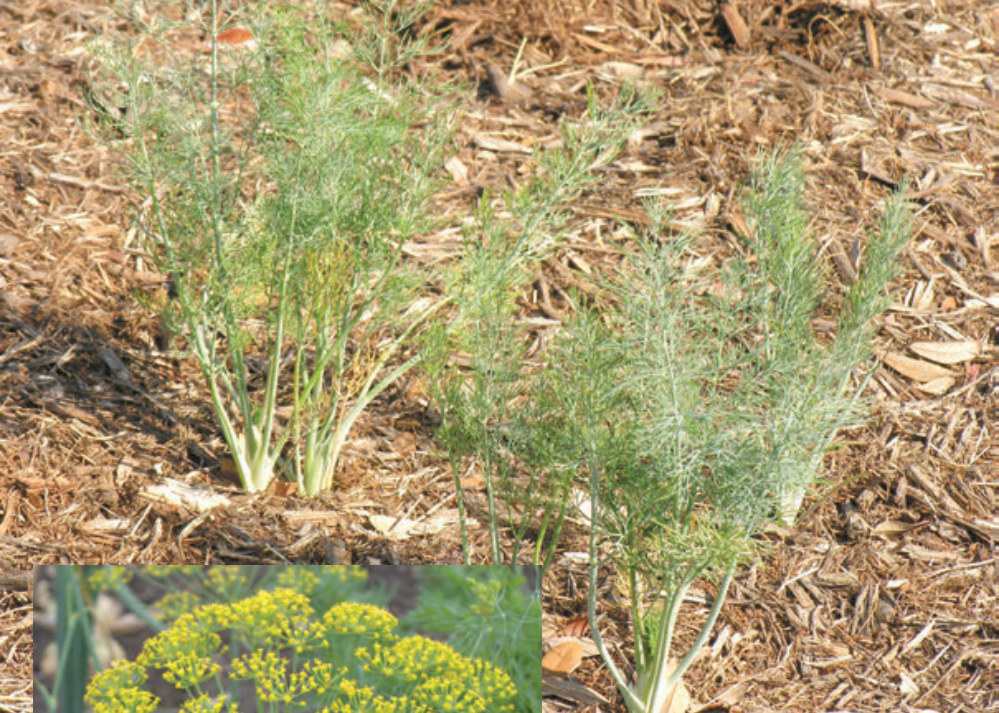
Plant name
dill
Latin name
Anethum graveolens L
Common names
dill
foreign names
Eng. ill, Fr. Aneth odorant
The group
celery
Habitat and Geographic Distribution
It is believed to have originated in southwestern Asia.
It is widespread in southern Europe and the Mediterranean basin. It is cultivated in eastern Europe, Central Asia, and Cyprus.
Botanical description
A perennial herb, strongly aromatic, with a mottled color.
The stem is 60 cm long and bluish-gray, smooth, erect, and branching at the top.
The leaves are ovate, 30 cm to oblong in general shape, with the lower leaves petiolate; 4 cm - divided pinnately, and the upper leaves have a broad sheath with a membranous margin and fine thread-like lobes ending in stiff hairs.
The bracts are absent, either on the 7-rays, nearly equal in length, each 30 cm long, and comprise the compound umbel.
The petals are yellow, nearly rounded, and blunt at the apex.
The stamens are 5 cm long at the level of the compound or simple umbel.
The calyx is absent.
The corolla is a compact, reddish-brown; the stamens are short, erect at flowering, and later curve downwards.
The petals are ellipsoid, with prominent ribs and a lobed margin.
6 - The fruit is biconcave, compressed, and its flowering period is from April to June.
Used part
The fruits and vegetables are distinguished by their aromatic scent and taste, which is similar to that of caraway.
chemical components
apiol: In addition to apiol, the fruit contains approximately 10% carvone.
It also contains volatile oil, reaching a percentage of 10%. Myrsticine and myristicin are also present.
Properties and medical uses
Dill is used to treat digestive disorders, as a carminative, and as a flavoring agent in grip's water.
A decoction of the fruit is traditionally used to treat respiratory disorders, insomnia, muscle spasms, digestive ailments (improving digestion), stimulating milk production, hiccups, intestinal gas, stomach aches, improving appetite, and strengthening nails.
Dill extract is also effective in thyroid function and has beneficial effects on diabetes, cardiovascular disorders, hypolipidemia, and hypoglycemia.
Recent studies have shown that dill is effective in treating hepatocellular carcinoma.
Pharmaceutical forms: Dill is available in the form of Dried dill fruits, distilled or concentrated dill water, or dill oil.
These are sold under trade names such as Concentrated Dill Water, Barker's Mixture, and others.
Precautions for use: Dill should be avoided when following a low-salt (low-sodium) diet, as it contains a significant amount of sodium.
Caution should also be exercised with dill if you have allergies to other spices, as it can trigger an allergic reaction.
pharmaceutical forms
Dill is available as dried dill seeds, distilled or concentrated dill water, or dill oil.
It is sold under brand names such as Concentrated Dill Water, Barker's Mixture, and others.
Precautions for use: Dill should be avoided by those on a low-salt (low-sodium) diet, as it contains a significant amount of sodium.
Caution should also be exercised when using dill if you have allergies to other spices, as it can trigger allergic reactions.
Side effects and precautions
Allergic reactions or drug interactions may occur; self-use should be avoided by pregnant and breastfeeding women, children, and patients with chronic diseases.
the environment
Although it prefers moist soils, PH 7.8 - 5.3, it prefers light sandy or medium clay soils that are well drained so that the plant can tolerate shade.
Agriculture and productivity
The plant is propagated by seeds, which are sown in rows 45-70 cm apart in well-drained, light, and organically rich soil.
25-30 kg of seeds are required per hectare.
The plant is cultivated for its green leaves and seeds for food use.
Other species include: Apium graveolens L., Apium lusitanicum Mill., Carum graveolens L.
(Koso-Pol.), Celeri graveolens L.
(Britton.), Helosciadium graveolens L.
(Rojas Acosta.), Selinum graveolens L. (E.H.L. Krause.), Seseli graveolens L. (Scop.), and Sium graveolens L. (Vest.).
History and Heritage
It is dill, false anise, Anisum from Anethum, false anise, and the scientific name is of Greek origin.
As for its taste, which is similar to that of graveiolens, it means the name of the spice species.
Al-Antaki mentioned it in his treatise, saying: “Dill with honey is beneficial for diseases of the rectum such as hemorrhoids, and it is specifically used to treat the reproductive organs, to the extent that sitting in its decoction cleanses the uterus of every disease, and its juice is used as ear drops for ear diseases, and its oil, in which it is cooked, relieves fatigue and every cold pain such as numbness and paralysis.”
Medical note
This information is for educational purposes only and does not constitute medical advice.
Poisonous or potent plants should only be used under the supervision of a qualified physician or pharmacist.
Related images