Curly Sorrel | A medicinal plant in the Akhdar encyclopedia
The roots are popularly used for their cleansing and purifying properties, as they help eliminate liver toxins, stimulate bile production, and improve digestion. Their laxative extracts (anthraquinone glycosides) are also used for constipation (in high doses, they act as a purgative). Additionally,…
Plant name
curly sorrel
Latin name
Rumex crispus L
Common names
curly sorrel
foreign names
Eng. Yellow dock, Fr. Patience
The group
nodular or acidic
Habitat and Geographic Distribution
Mediterranean, and cultivated in many countries around the world
Botanical description
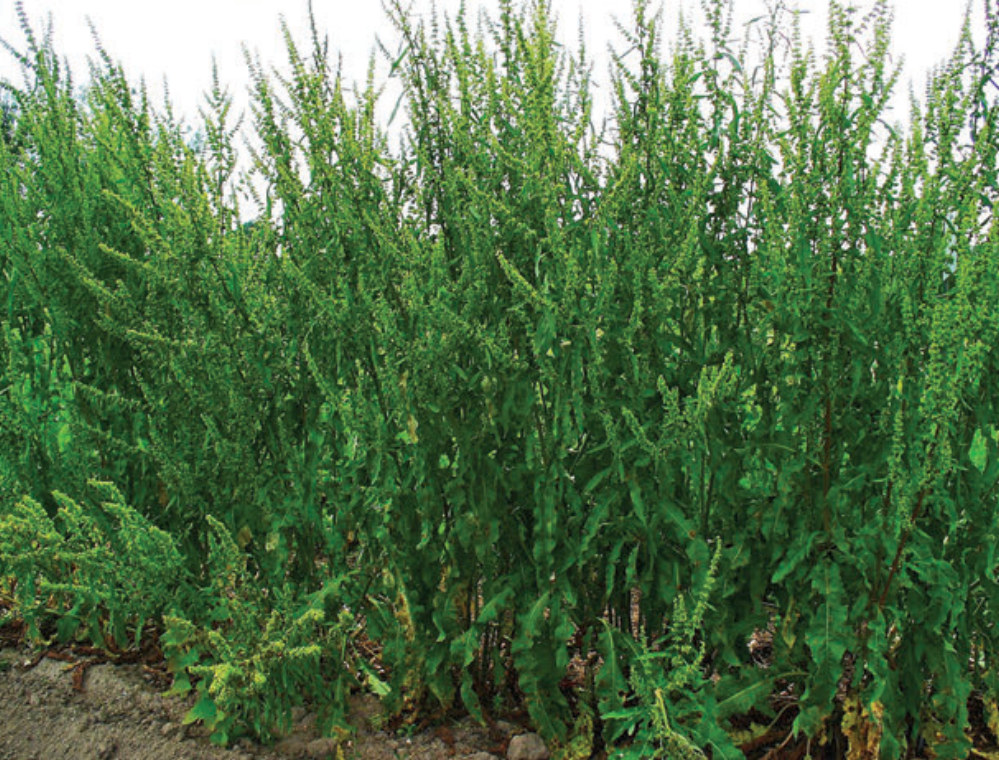
100 cm - A perennial herb with deep spindle-shaped roots.
The cylindrical stem has short branchings and is approximately 12 cm long, brown in length, compared to the shorter stem leaves.
The flowers are yellowish-red.
The basal leaves are large and pubescent, arranged in clusters. Flowering begins in May.
Used part
Fresh or dried roots.
chemical components
Quercetin, chryosphanol (0.9-2.5%), anthracene derivatives, anthracene glycosides and their glycosides, rhein, aloe-emodin, emodin, quercitrin (3-6%), neopodin, lapodin, naphthalene derivatives (including podin), calcium oxalate, and calcium oxalate. Oxalic acid.
Properties and medical uses
The roots are popularly used for their cleansing and purifying properties, as they help eliminate liver toxins, stimulate bile secretion, and improve digestion.
Their laxative extracts (anthraquinone glycosides) are used for constipation (at high doses, they act as a purgative).
Additionally, their antibacterial and anti-inflammatory extracts are used to treat acute and chronic respiratory tract infections, arthritis, rheumatism, and osteoporosis.
The roots also possess astringent properties (tannins) useful in stopping nosebleeds and treating gingivitis, hemorrhoids, and various skin conditions such as eczema and psoriasis.
Side effects and precautions
It should be avoided in cases of increased uric acid and kidney stones; it should not be used during pregnancy and breastfeeding.
Other uses
Sorrel is a type of vegetable whose leaves are preferred for their acidity, similar in taste to sorrel (Oxalis), and are commonly added to salads.
the environment
The plant is widespread in sandy and sandy-loamy soils in steppes, deserts, and mountain slopes.
It prefers moist, fertile soil.
It tolerates salinity and temperatures as low as -7°C and requires approximately 100 mm of rainfall per year.
Agriculture and productivity
It is propagated by seeds collected in the fall and sown in the spring. It germinates.
History and Heritage
The term *C.
d.* refers to the genus *crispus*, the ancient Latin toxin of these plants, and the species-describing toxin, whose uses were mentioned by Dioscorides, is also known to the Arabs.
Medical note
This information is for educational purposes only and does not constitute medical advice.
Poisonous or potent plants should only be used under the supervision of a qualified physician or pharmacist.
Related images


