Greenhouses: A Sustainable Farming Technology | Agricultural Technology - Akhdar
Greenhouses are enclosed structures that use plastic to cover plants and protect them from the elements. This technology helps provide a suitable environment for growing crops year-round. The global commercial market for greenhouse agriculture was estimated at approximately US$29.6 billion in 2020…

Introduction to greenhouses
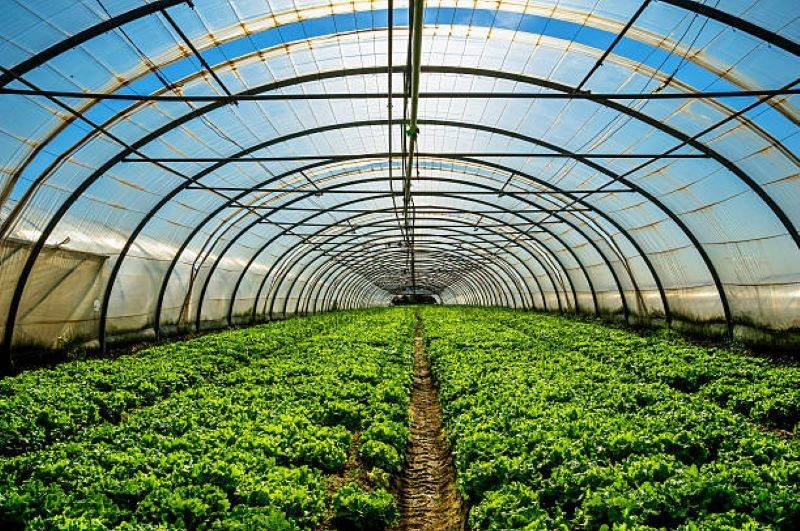
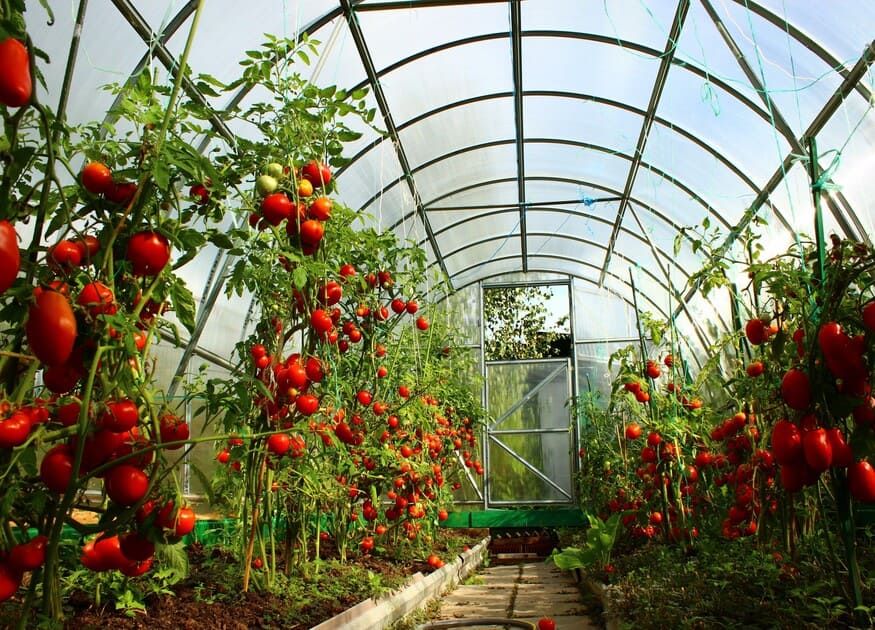
Greenhouses are enclosed structures that use plastic to cover plants and protect them from the elements.
This technology contributes to providing a suitable environment for the year-round growth of agricultural crops.
The global commercial market for greenhouse agriculture was estimated at approximately US$29.6 billion in 2020 and is expected to reach US$50.6 billion by 2025, registering a compound annual growth rate of 11.3% during this period, according to a recent report by Markets and Markets.
The growth of this sector is attributed to the increasing demand for food due to the growing global population, in addition to climate change, which affects global crop yields.
Technological advancements and the increasing reliance on various digital farming methods will provide significant opportunities for the future growth of this vital sector for humanity.
Scientists and researchers from around the world are conducting scientific studies and agricultural research to reduce costs and increase production within these increasingly widespread greenhouses.
How greenhouses work
To learn about greenhouse farming, we first need to understand what greenhouses are.
Let's try to understand the meaning of greenhouses.
Greenhouses are structures made of polyethylene, a transparent material where plants can be grown under controlled climatic conditions.
Greenhouses can be small or large depending on the crop budget and type.
Now that we have an idea of what greenhouses are, let's understand greenhouse farming in more detail.
Greenhouse farming is a type of greenhouse agriculture that was introduced in the early 1980s.
In greenhouse farming, crops are grown under controlled climatic conditions, and farmers can easily manage the temperature and humidity according to the crop's requirements.
In India, this technology is widely known due to its affordability.
Greenhouses are of paramount importance because they protect plants from harsh weather conditions such as sun and wind, and help them grow efficiently.
They are also superior to open-field farming, as crop results are more reliable in this type of agriculture.
Types of greenhouses: Greenhouses are mainly divided into three broad categories based on their environmental control system, shape, and technology.
Let's take a look at each type of greenhouse below.
Naturally Ventilated Greenhouses: Naturally ventilated greenhouses are a basic and traditional type of greenhouse.
They feature climate control through drip irrigation systems, misting systems, pest control systems, and ventilation controls.
These systems fully control the internal climate and help crops grow optimally.
Environmentally Controlled Greenhouses: On the other hand, environmentally controlled greenhouses are a modern type of greenhouse.
They feature additional functional characteristics that allow them to control humidity, temperature, and other factors.
They can even grow crops out of season thanks to their advanced features, making them a more sophisticated type of greenhouse.
Greenhouse Components: Polyethylene – Polyethylene is the most important component in greenhouses, as most greenhouses are made of transparent polyethylene.
It is airtight, inexpensive, and flexible.
Greenhouses prevent heat radiation, thus controlling humidity and temperature.
Heating Systems – Heating systems are used to cover greenhouses with burlap sacks during the day and night to maintain the internal temperature when there is insufficient sunlight.
Cooling Systems – In hot weather conditions, cooling systems are essential.
The greenhouse is cooled by providing adequate ventilation and removing stale air.
This can be done naturally or by installing high-powered fans.
Irrigation systems – Water systems are used to test water quality before greenhouse installation.
Water sources must be properly inspected.
Micro-irrigation systems such as drip irrigation and sprinklers can be used.
PVC pipes, pumps, and filtration systems are used for drip irrigation.
Shading systems – Shading systems are used to protect greenhouses from intense sunlight.
Shade paints, agricultural shade netting, or retractable thermal screens are commonly used.
Fertilisation – Fertilisation is the process of applying fertilizer simultaneously through irrigation to meet the specific requirements of crops.
This ranges from a single application of fertilizer to the use of soluble fertilizers on various operating systems.
Environmental control – Greenhouses are protected from temperature, humidity, and light by a water circulation pump or exhaust fan, incandescent lamps, and fluorescent tubes.
Greenhouses provide suitable temperature and humidity for plants, helping to protect crops from cold winds and heavy rain.
Mechanical ventilation and air conditioning systems are used to effectively control the indoor climate.
Benefits of greenhouses
Greenhouses offer many agricultural benefits, such as providing a sustainable environment for growing crops in areas with harsh climates, increasing crop productivity by a high percentage, as well as reducing crop losses due to diseases or insects.
Challenges and future prospects
Greenhouse farming is gaining popularity in every country.
It's an economical agricultural system for improving crop yields and is the ideal alternative to traditional farming practices.
It can boost crop growth up to 8-10 times, which is better than any traditional farming method.
This method is also beneficial for small farmers, as they can grow almost any type of crop, whether seasonal or off-season.
It's a more efficient farming method, using less water and land.
It also allows farmers to control the environment, leading to increased yields.
In addition, it can protect crops from pests and diseases and provide a stable source of income.
Therefore, greenhouse farming will remain beneficial for farmers in the coming years.
Despite its significant advantages, greenhouses face some challenges, such as high construction and maintenance costs, as well as the need for advanced technologies to maintain the internal climate.
However, with technological advancements, greenhouses are expected to become more efficient and, consequently, more affordable.
Section 5
In conclusion, greenhouses represent an innovative solution to the challenges of modern agriculture, and are among the best solutions for achieving sustainable agricultural production.
Related images