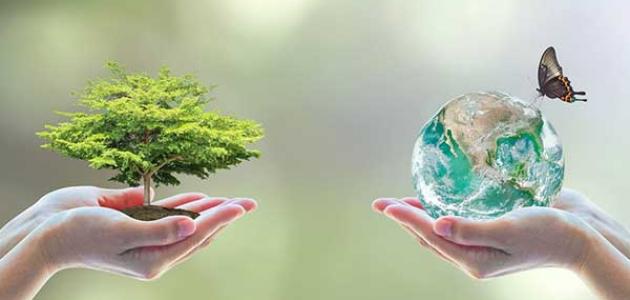
Environmental conservation: A necessity for the future | Agricultural Technology - Akhdar
The environment is one of the most important elements of life on Earth. To maintain its health and integrity, we must take effective steps to preserve and protect it from pollution and depletion. This includes caring for water, air, soil, and wildlife. Environmental conservation promotes the sustai…

Introduction to Environmental Conservation
The environment is one of the most important elements of life on Earth.
To maintain its health and integrity, we must take effective steps to preserve and protect it from pollution and depletion. This includes caring for water, air, soil, and wildlife.
The importance of preserving the environment
Environmental protection promotes the sustainability of life and protects humans and other living organisms from the negative impacts of pollution.
It also contributes to providing clean sources of the natural resources we need to survive.
Effective steps to protect the environment
We can take several steps to contribute to environmental protection, such as reducing energy consumption, recycling, conserving water, and planting trees.
We must also raise awareness about the environmental problems facing our planet.
Challenges and future prospects
Despite the significant challenges in preserving the environment, such as increasing pollution and the mismanagement of natural resources, there is great hope for the future.
New technologies and sustainable practices will help improve the environmental situation in the long term.
Ways to preserve the environment: Effective steps to contribute to the sustainability of our planet.
The environment is the source of our lives, and we must all preserve it to ensure the sustainability of natural resources for future generations.
With increasing environmental challenges such as climate change, pollution, and resource depletion, the need to find effective ways to preserve the environment has become essential.
In this article, we will discuss a range of simple and useful ways that anyone can follow to contribute to protecting the environment.
Reducing the consumption of natural resources: Natural resources such as water and energy are essential for daily life, but their excessive consumption can lead to their scarcity.
Adopting strategies to reduce consumption can greatly contribute to protecting these resources.
How can water and energy consumption be reduced? Repairing leaks: Small water leaks may seem insignificant, but they contribute to wasting large amounts of water annually.
Repairing them immediately helps conserve water.
Using energy-efficient light bulbs: Such as LED bulbs, which consume less energy and last longer.
Adopting Solar Energy: Using renewable energy sources, such as solar panels, reduces reliance on environmentally harmful fossil fuels.
Recycling and Waste Reduction: Recycling is an effective way to conserve resources and reduce waste ending up in landfills.
By separating recyclable materials like paper, plastic, and glass, we can reduce pollution and conserve resources.
Recyclable Materials: Plastic: Recycling plastic reduces pollution in seas and oceans and protects marine life.
Paper and Cardboard: Recycling paper reduces the amount of trees used to produce new paper.
Glass: Glass can be recycled many times without losing its quality.
Reducing Plastic Use: Non-biodegradable plastic causes significant environmental damage.
It is important to reduce its use and seek eco-friendly alternatives.
Alternatives to Plastic: Cloth Bags: A sustainable alternative that can be used multiple times instead of single-use plastic bags.
Reusable Bottles: Using reusable water bottles reduces the amount of plastic discarded daily.
Afforestation and Increasing Green Spaces: Afforestation and tree planting contribute to improved air quality and the absorption of harmful carbon dioxide, thus helping to combat global warming.
Benefits of Afforestation: Improved Air Quality: Trees absorb harmful gases and release pure oxygen.
Combating Desertification: Vegetation protects the soil and prevents its degradation.
Providing Animal Habitats: Trees provide natural habitats for wildlife.
Sustainable Mobility: Traditional transportation methods like cars increase carbon dioxide emissions.
Using sustainable transportation reduces these emissions and protects the environment.
Sustainable Mobility Options: Cycling and walking are simple and environmentally friendly options.
Using Public Transportation: This contributes to reducing the number of cars on the roads and thus reducing pollution.
Electric Cars: These offer a more sustainable solution because they do not produce harmful emissions like cars powered by fossil fuels.
Supporting Environmental Associations: Charitable organizations can play a significant role in protecting the environment by organizing awareness campaigns and environmental initiatives.
Supporting these associations through donations or volunteering contributes to improving the environment in the long term.
The Role of Associations in Environmental Protection: Organizing beach and forest clean-up campaigns helps preserve the surrounding environment.
Raising awareness about the importance of recycling and waste reduction helps spread environmental awareness in the community.
Environmental Awareness and Education: Increasing environmental awareness and teaching how to protect the environment are fundamental to spreading environmental culture among different generations.
The importance of environmental awareness: Increasing awareness among individuals: Awareness campaigns can motivate individuals to take effective steps to protect the environment.
Educating children: Teaching children the importance of the environment and how to protect it from a young age makes them responsible citizens in the future.
Section 5
In conclusion, environmental protection is a collective responsibility that requires cooperation between individuals and communities.
We must all be part of the solution to ensure a better and more sustainable future.
Related images